

+86 18938283746
 English
-
 中文
中文 -
English

新闻中心
NEWS
新闻中心/NEWS
Some related knowledge about electric delivery vehicles
2021-11-04 00:00:00
Click:
There are many fastening components connecting the moving food delivery cart bolts and nuts. It is necessary to ensure a satisfactory preload force, but do not over-tighten as it will lead to a decrease in battery activity, accelerate the aging of the plates, and prevent the plug from overheating during charging. Loose or oxidized output plugs of 220V power supply or chargers can cause the plug to overheat. Excessive heating time can cause the plug to short circuit or have poor contact, damaging the charger and battery, and causing unnecessary losses to you.
The electric delivery vehicle should determine the charging frequency based on the normal operation frequency and travel distance. When fully charged, it should charge within a short period of operation. The charging time should not be too long, otherwise it may cause overcharging, resulting in overheating of the battery. Excessive charging, excessive discharging, and insufficient charging will shorten the battery life and prevent the electric delivery vehicle from being exposed to sunlight.
Excessive temperature will increase the pressure inside the battery, causing it to lose power.
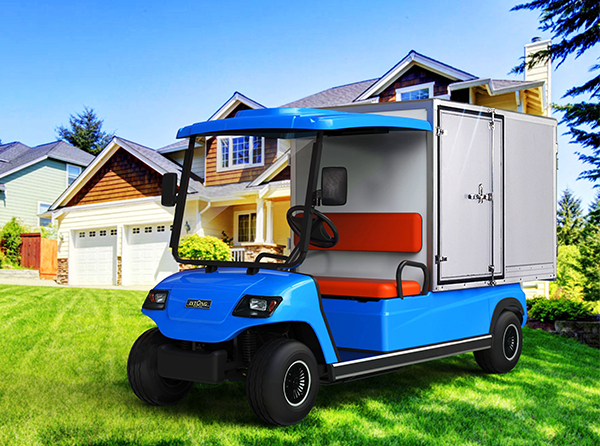
The electric delivery vehicle avoids the cumbersome electric barriers. When the vehicle starts, carries passengers, or climbs uphill, it should try to avoid accelerating too quickly, as this could result in an instantaneous heavy electric discharge. Such heavy electric discharge would only cause the formation of lead sulfate crystals, thereby endangering the physical performance of the battery plate. During the application process, the charging time should be accurately determined based on the actual situation of the delivery vehicle.
The regular working frequency and travel distance of the electric delivery vehicle, as well as the charging frequency, should be monitored. After being fully charged, the working time should be shortened to charge the battery. Otherwise, the charging time should not be too long, as it may cause overcharging, resulting in the battery heating. Overcharging, over-discharging, and insufficient charging will shorten the battery life. Avoid direct exposure to the sun to prevent the electric delivery vehicle from being exposed to the sun. During charging, avoid overheating of the plug. 220 V power plug or charging output plug that is loose or has oxidized contact surfaces will cause the plug to heat up. If the heating time is too long, it may cause a short circuit or poor contact, causing damage to the charger and the battery, and bringing you unnecessary losses.
The electric delivery vehicle avoids large current discharge. When the patrol vehicle starts, carries passengers, or climbs uphill, it should try to avoid banging and accelerating, as this can cause instantaneous large current discharge. Simple large current discharge can lead to lead-acid crystallization, thereby damaging the physical properties of the battery plates. Accurately control the charging time. During the application process, it is necessary to accurately control based on the actual situation.
The normal working frequency and travel distance of the electric delivery vehicle, as well as the charging frequency should be mastered. During normal operation, if the electricity meter shows both red and yellow lights, charging should be carried out. If only the red light is on, intermittent operation should be adopted and charging should be done as soon as possible. Otherwise, excessive battery discharge will seriously shorten its lifespan. If fully charged, it will charge after a short period of operation, and the charging time should not be too long.
Otherwise, it will cause overcharging, resulting in overheating of the battery. Overcharging, over-discharging, and insufficient charging all shorten the battery's lifespan. The uniform charging time for a typical battery is around 10 hours. If the battery temperature exceeds 65°C, the charging should be interrupted to prevent the patrol vehicle from being exposed to the sun. High temperature causes an increase in internal pressure within the battery, water loss, and a decrease in battery activity, accelerating the aging of the plates. Avoid overheating when charging. Loose 220V power plug of the electric delivery vehicle or loose output plug of the charger, oxidation of the contact surface can cause the plug to heat up. Excessive heating can cause short circuits or poor contact, damaging the charger and the battery, and causing unnecessary losses. Therefore, when such situations are detected, it is necessary to remove the oxide or replace the connector in time.









▶ 最近消息
-
How to extend the battery life of solar-powered sightseeing vehicles?
How to extend the battery life of solar-powered sightseeing vehicles? In recent years, the rapid development of the tourism industry has also driven the rise of the solar-powered sightseeing vehicle sector. We increasingly observe that various electric sightseeing vehicles are installed at major tourist attractions to facilitate visitors.
-
The application scope of solar-powered sightseeing vehicles
The application scope of solar-powered sightseeing vehicles: Solar-powered sightseeing vehicles need to be inspected regularly. Especially when the mileage of the electric sightseeing vehicle decreases, at least one battery in the battery pack may have a problem. At this time, the vehicle should be stopped for maintenance promptly to extend the service life of the battery pack.
-
The advantages of fuel-efficient sightseeing vehicles
In recent years, the tourism industry in our country has been constantly updating new data, and its development has gradually shown a favorable trend. The tourism industry has also achieved significant improvement. The production, manufacturing, and research and development levels of various enterprises vary.


Top

Yang Sheng: +86 189 3828 3746 Dai Miss: +86 177 2237 9989
Email: info@gztubo.com
Address: Room 020, Building A, Unit 1, Building 102, No. 619-625 Pingchuan Road, Tianhe District, Guangzhou City

Add on WeChat

Add on WeChat
Yang Sheng: +86 189 3828 3746 Dai Miss: +86 177 2237 9989
Email: info@gztubo.com
Address: Room 020, Building A, Unit 1, Building 102, No. 619-625 Pingchuan Road, Tianhe District, Guangzhou City
Add WeChat
ADD WECHAT
